
The basics: What is etiquette?
Where should we begin? Etiquette can feel overwhelmingly complex, especially when trying to teach it to children. But I've tried to break things down into bite-sized tips that are easy to remember.
KIDSETIQUETTE
Jenn Jewell
3 min read
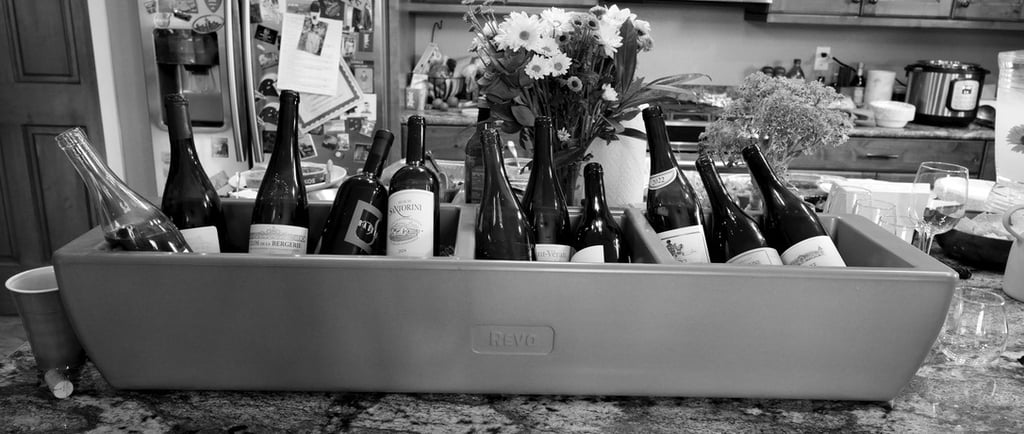
The level of etiquette at one of our Friends and Family Parties is significantly different than at, say, a 2-star Michelin restaurant. And there's a time and a place for all levels of etiquette. Let's dive deeper into what etiquette is and what these levels are.
Etiquette is a set of generally agreed upon rules of behavior that can vary based on setting and culture. Some are rules that should probably never be broken in my opinion - like burping at the table in a restaurant LOL. And others are general guidelines based on what you observe from others around you, like whether everyone should finish eating before anyone can leave the table. Sometimes families establish their own etiquette rules, such as children needing to ask to be excused from the table after finishing a meal. But overall, most people will only end up following formal etiquette guidelines when dining at a formal restaurant. Do you have opinions on etiquette that you want to share? Join us on our Facebook group!
Here are a few of the basic etiquette rules that I have taught my children to observe when we go to a Michelin-level restaurant:
Attire is important. It's easy to look up the dress code on the restaurant's website ahead of time and make sure that everyone in the family has something appropriate to wear. Being the most underdressed person at a fine dining restaurant is not the flex that some people think it is. Walking the fine middle line is. I often find that photos of the interior of the restaurant will give the best additional clues about the atmosphere.
Punctuality is important. This lesson will carry through in life. Some places are exceedingly strict about arrival times. This shouldn't be taken lightly.
Ladies should be aware that the server may pull out their chair for them to be seated. Don't let that catch you unaware.
Once you're seated, place your napkin in your lap. Some restaurants will replace white/black napkins with the alternating color to more closely match your attire. Simply be aware of this.
While children may find parts of a dish unappetizing, it is inappropriate to ask for accommodations in a Michelin-level tasting menu that are not allergy or dietary restrictions. And many restaurants take note of these restrictions during the reservation process. These are crafted dishes where each item is integral. Instead encourage your child to try a bite or help them finish if you enjoyed the dish. More on the benefits of standard menus versus tasting menus later...
Kids should understand that even if they don't like the taste of something, they can't loudly proclaim their dislike in a fine dining restaurant. Understanding attitude and expectation management is one of the harder parts of Michelin-level dining.
The simple trick to knowing which water glass is yours and which bread plate is yours is to make a "d" and "b" with your hands. Your water glass is on the side with the "d" and your bread plate is on the side with the "b."
Generally speaking, utensils are used from the outside inward. However, at many Michelin-level restaurants, utensils will be delivered and removed with each course.
Wait for everyone to receive their food before you begin eating.
Never speak with food in your mouth.
As obvious as it seems to me... don't burp at the table.
Pace yourself when eating. Courses are served at the same time for everyone, so there is no need to rush.
Learning to sit still, not play with items on the table, not put elbows on the table, and sit up straight all improve with time and experience.
Here's a hard one - no electronic devices at the table. If your child isn't old enough to manage their behavior without an iPad or phone for entertainment, then they aren't ready for Michelin-level dining. And here's why - Michelin dining is about the experience, the presentation, the precision, and the food. Your child having a device on the table disrupts that entire process. And it's also distracting for other patrons, even if it's silent. Your child isn't participating or enjoying any of the experience, presentation, or precision if they are watching a device. Fine dining as a family is about enjoying the experience together and talking with your dining companions, even if they are only 8 years old.
Salt and pepper are rarely on the table at a Michelin-level restaurant and shouldn't be needed with a high quality chef. Asking for either is usually considered insulting to the chef.
Look for fun non-alcoholic beverage pairings. These can truly be an adventure and really step up a tasting menu for pre-teens and teens who are looking for more exotic flavors when their parents are discussing their wine or cocktail pairings.
Most importantly, children learn by example, so set a good one! And have fun!
Follow me on Instagram
© 2025. All rights reserved.